This article may contain affiliate links. If you buy through them, Our Busy Family Days may earn a small commission at no extra cost to you. Learn more.
Our home has always been a hub of activity. With two kids running around, finding a balance between chaos and calm can be a challenge. I’ve learned that creating a play space that encourages creativity and minimizes clutter doesn’t have to be a massive undertaking. Small, intentional choices can make a significant difference.
Identify the Space
Finding the right location for a play area is the first step. I chose a corner of our living room. It’s an open space but also cozy, allowing the kids to feel secure while they play. This area is adjacent to our kitchen, so I can keep an eye on them while I prepare meals. They can engage in activities without feeling isolated. The location matters. It should be somewhere that naturally draws them in.
Simplify the Toys
Over the years, I’ve noticed that my kids gravitate towards a few key toys rather than a mountain of options. I’ve learned to rotate toys regularly. By keeping a selection small and manageable, the kids stay engaged without feeling overwhelmed. When my daughter was five, she loved playing with her blocks. They were always out, taking over the living room. When I put them away for a few weeks and brought out a puzzle instead, she rediscovered her love for block-building without the clutter. Simplicity allows for more focused play.
Evaluating What Stays and What Goes
Every few months, I conduct a toy audit. This means sitting down with the kids and going through their toys together. We ask questions like, “When was the last time you played with this?” and “Do you still love this?” It’s a gentle way to teach them about letting go. Toys that don’t spark joy get set aside for donation. This process not only reduces clutter but also gives my kids a sense of ownership over their play space.
Organizing Thoughtfully
Once I decided which toys to keep, I focused on organization. I moved away from traditional toy boxes that often become black holes for forgotten items. Instead, I use shallow bins that are easy for the kids to access. Each bin has a specific type of toy, art supplies, building sets, and dolls, for instance. By labeling the bins with simple pictures, even my youngest can find what she wants without digging through layers of toys.
Incorporating Nature and Calmness
I believe the atmosphere of a play area can greatly affect how kids engage with their toys. I’ve added some plants to the space. They not only look nice but also contribute to a calming environment. It’s been fascinating to see how my children care for these plants. They water them, watching them grow, which reinforces responsibility and respect for nature.
In addition to plants, I keep the walls neutral and avoid overly bright colors. We have a light blue wall, which creates a soothing backdrop. I also use soft lighting. A simple floor lamp with a warm glow adds coziness to the space. Creating a serene play area makes it easier for my kids to engage in imaginative play. They are more likely to dive into a game if the environment feels inviting.
Encouraging Creativity
Creativity thrives with the right tools and space. I’ve found that open-ended materials foster imaginative play. Instead of buying themed toys, I opt for simple items like fabric scraps, cardboard boxes, and art supplies. My son loves building forts with sheets and cushions. On quiet weekends, he and his sister turn the living room into a magical castle. Having versatile materials on hand sparks their creativity without requiring additional energy on my part.
Designating a Creative Corner
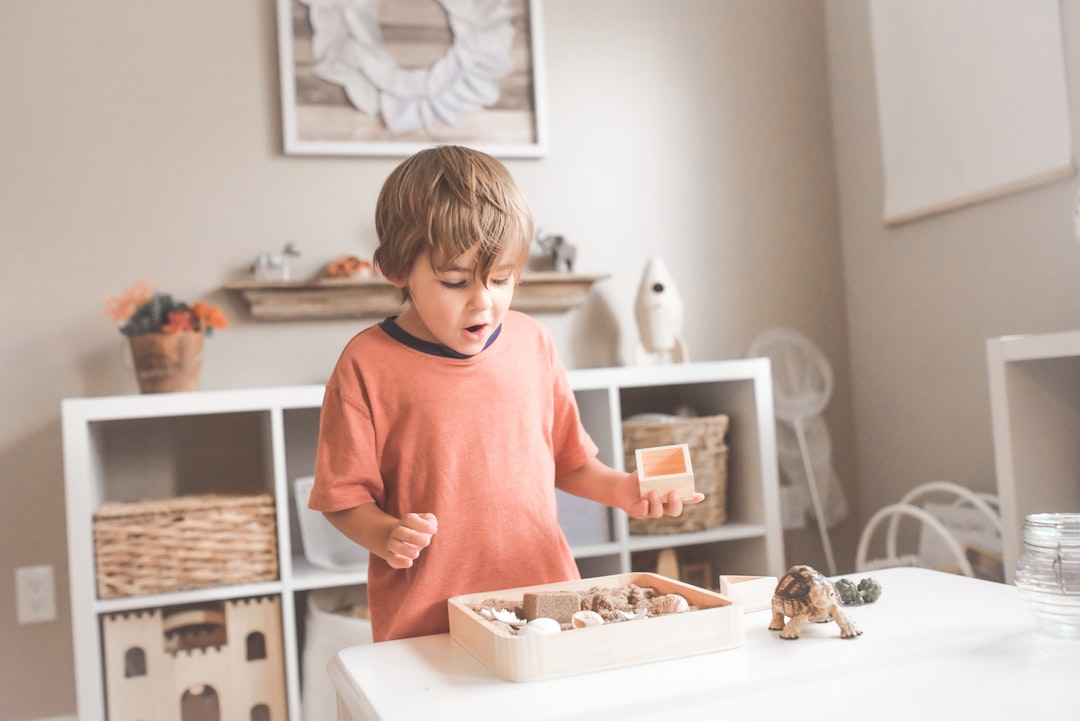
I set aside a small table for art projects. It’s a dedicated space that invites creativity. Having a designated area encourages my children to gravitate towards it. We keep art supplies organized and within reach. Crayons, markers, and paper are always available, but I limit the number of supplies to avoid overwhelming them. Each week, I rotate different art materials to keep their interest alive and to introduce new techniques.
Incorporating Routine
Creating a calm play space also involves establishing a routine around play. I noticed that my children thrive when they know what to expect. We have a flexible play schedule, where some days are for free play and others are for structured activities. On days when we have busy schedules, I encourage them to engage in calming activities like puzzle building or reading. This helps them transition from the busyness of the day into a more relaxed state.
Making Cleanup Part of the Routine
Cleanup can often feel like a chore. To make it easier, we turn it into a game. My kids love to see how quickly they can put their toys away. I set a timer, and they race against the clock. This small shift makes cleanup fun and teaches them responsibility. I also emphasize the importance of keeping the play area tidy. When everything has a designated spot, it becomes easier for them to maintain order. A tidy play space leads to a more peaceful environment.
Adding Personal Touches
Personalization is key to creating a space that feels like their own. I let my kids choose a few decorations that reflect their personalities. We’ve hung up some of their artwork on the walls. It gives them a sense of pride seeing their creations displayed. Each piece tells a story, adding warmth and character to the space. We also have a few family photos and mementos that spark joy. These personal touches encourage them to take ownership of their play area.
Creating a Calm Atmosphere
Finding calm in a busy household can be a challenge, but a well-thought-out play space can help. It’s about making intentional decisions that require minimal effort but yield significant results. I’ve found that by simplifying toys, organizing effectively, and fostering creativity, our play area can be both functional and calming. Each choice contributes to a more peaceful environment, benefiting both the kids and me.
Closing Thoughts
Creating a calm play space doesn’t have to be exhausting. With small adjustments, I’ve managed to turn a corner of our living room into a haven for creativity and fun. By focusing on simplicity and organization, I’ve set the stage for my children to thrive. It’s a space that invites them to explore, create, and enjoy, all while keeping my own energy in check. A calm play space is an ongoing journey, and I’m grateful for the small changes that make a big impact.