This article may contain affiliate links. If you buy through them, Our Busy Family Days may earn a small commission at no extra cost to you. Learn more.
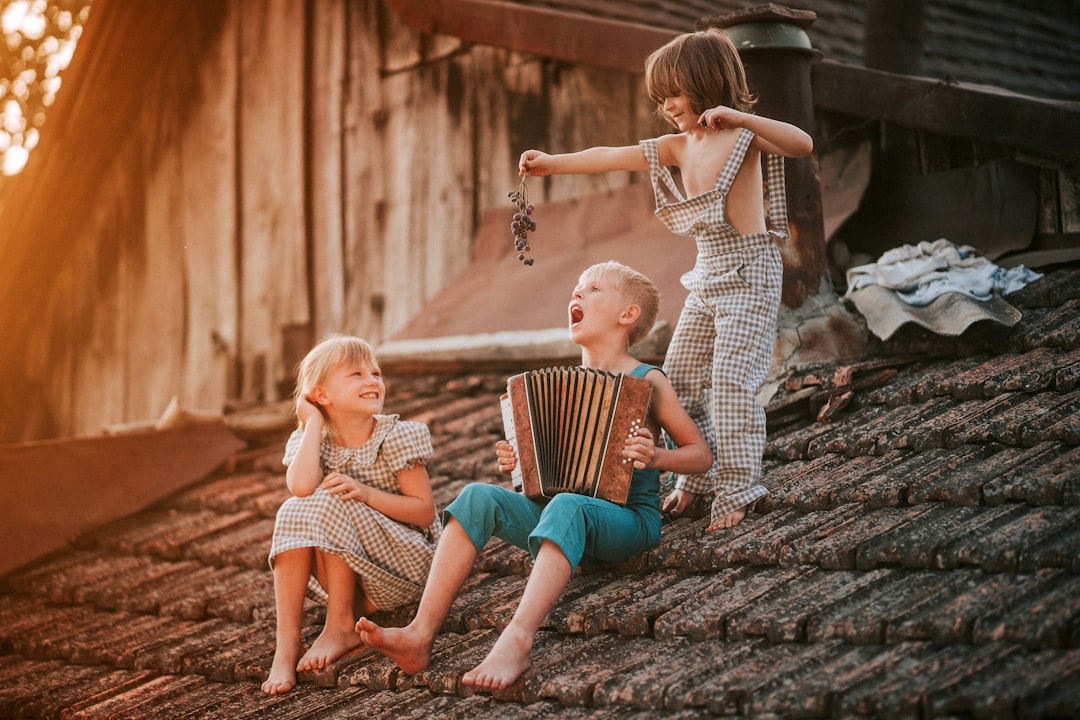
Sibling relationships can be a delicate balance. My two kids, who are six and eight, constantly oscillate between bickering over toys and collaborating on elaborate building projects. This dynamic can be exhausting, yet it teaches them valuable lessons about conflict resolution and teamwork. Navigating sibling rivalry while fostering collaboration is a significant part of our family life.
The Nature of Sibling Rivalry
Sibling rivalry is a natural phenomenon. Children often seek attention and validation from their parents, and having a sibling can create competition. My son tends to gravitate towards the spotlight, often prompting my daughter to assert her own claims to it. They might squabble over who gets the last piece of pizza or who gets to choose the movie for family night. Understanding that this rivalry is part of their growth helps me maintain a calm perspective.
Why Rivalry Happens
Competition for parental attention often sparks rivalry. Children engage in these battles not just for toys but also for emotional resources. In my house, it usually surfaces when they feel they have limited time with me, like when I am busy getting dinner ready. Recognizing this has led me to be more intentional about setting aside one-on-one time with each child, even if it’s just a quick game of cards or reading a book together.
Fostering Teamwork Among Siblings
While sibling rivalry is common, it’s equally important to encourage teamwork. I have found that structured activities can help channel their energy into something positive. Recently, we started a family game night each Friday. The games require collaboration, whether they are working together against a common goal or helping each other strategize. This environment fosters communication and camaraderie.
Teamwork Through Play
When kids play together, they learn essential skills. They discover how to share, negotiate, and resolve conflicts. I often encourage open dialogue during playtime. If my kids argue during a game, I pause the action and invite them to express their feelings. This practice not only resolves the immediate conflict but also teaches them how to articulate their emotions in constructive ways.
Creating Collaborative Projects
One of the best ways to support teamwork is through collaborative projects. Last summer, we built a fort in the backyard. My daughter came up with the design while my son gathered the materials. As they worked side by side, they learned to appreciate each other’s strengths. When they reached a disagreement about how to set up the entrance, I stepped back and let them find a solution. They eventually created a compromise that incorporated both of their ideas. The fort became a symbol of their ability to work together, and it remains a cherished spot for summer adventures.
Setting Boundaries and Expectations
While I want to promote teamwork, I also recognize the importance of boundaries. My kids need to understand that not every situation calls for collaboration. If they are both playing with the same toy, I remind them that sharing is essential, but I also encourage them to engage in separate activities if tensions rise. This balance helps them to develop independent play skills while also learning how to coexist.
Encouraging Individual Interests
Each child has unique interests. My son loves building with blocks, while my daughter enjoys drawing and crafting. I make it a point to provide them with opportunities to explore these individual passions. Having designated time for solo activities allows them to express themselves without feeling overshadowed by each other. This balance reduces feelings of rivalry and opens up space for genuine teamwork when necessary.
Modeling Healthy Conflict Resolution
As a parent, I try to model how to handle disagreements. It is important for my children to see that conflict does not have to lead to anger or resentment. When my husband and I have differences, we discuss them openly and respectfully in front of the kids. If they witness us resolving issues with kindness and understanding, they are more likely to replicate that behavior with each other.
Utilizing Natural Consequences
One way I encourage my kids to learn from their conflicts is by allowing natural consequences to unfold. If they argue over a toy and it ends up getting broken, they have to deal with the outcome together. They learn that their actions have real effects. This not only teaches accountability but also pushes them to work together to solve the problem, whether it means brainstorming a way to fix the toy or figuring out how to share the remaining ones.
Celebrating Togetherness
In our family, we make a conscious effort to celebrate the moments when my children work together. Acknowledgment can go a long way. When I see them cooperating, I emphasize that behavior with praise. I often say, “I love how you two worked together on that project!” This positive reinforcement encourages them to seek collaborative efforts in the future.
Highlighting Achievements
We also create opportunities for them to show their joint achievements. For instance, after completing a puzzle together, I take a moment to highlight their teamwork by taking a picture of their accomplishment. This reinforces the idea that their collaboration is something valuable and worthy of recognition.
Finding Balance
Finding balance between rivalry and teamwork requires ongoing effort. Conflicts will arise, and it is important to remember that these experiences can lead to growth. In my family, I strive to create an environment where my children learn to appreciate each other’s company while also understanding individual needs. By focusing on communication, setting boundaries, and celebrating teamwork, I help them navigate their sibling relationship successfully.
Sibling relationships may be messy, but they are also opportunities for learning. Every disagreement can be a chance for growth if approached with care and intention.
As I reflect on my own experiences as a parent, I am reminded that my goal is not to eliminate sibling rivalry entirely but to teach my children how to manage it. Life will always present challenges, and these early lessons in conflict resolution and collaboration will serve them well beyond childhood. In the end, my hope for my kids is that they look back on their childhood with fond memories of teamwork, building forts, completing puzzles, and even navigating disagreements together.