This article may contain affiliate links. If you buy through them, Our Busy Family Days may earn a small commission at no extra cost to you. Learn more.
Amid the constant hum of life in a busy household, quiet playtime often feels like a luxury. With school schedules, after-school activities, and the daily demands of family life, carving out moments for tranquil play can be a challenge. However, I have found that these brief periods of silence are crucial for my children’s development and our family’s well-being.
Understanding Quiet Playtime
Quiet playtime is not merely about keeping the kids occupied. It is an intentional choice to allow children to engage in creative activities without the usual distractions. This can take many forms, from reading books to building with blocks or even drawing. The key is that these activities are calm and allow children to explore their imaginations independently.
The Benefits of Quiet Playtime
Quiet playtime offers numerous benefits for children. It helps them develop important skills, fosters independence, and encourages self-regulation. These moments also give me a break from the demands of parenting, allowing me to recharge. Here are some specific advantages:
- Promotes Creativity: When children have the space to play quietly, they often come up with unique games and stories. My son, for example, takes his toy dinosaurs and creates entire worlds for them, complete with narratives that keep him engaged for hours.
- Enhances Focus: Quiet playtime allows my kids to concentrate on a single task without interruptions. I’ve noticed that after a period of focused play, they tend to stick with other activities longer.
- Encourages Independence: My daughter often sets up her puppet theater and puts on shows for herself. This boosts her confidence and ability to entertain herself, which is a valuable skill.
Creating the Environment for Quiet Play
To foster quiet play, I realized the importance of creating an inviting environment. By designating specific areas in our home for quiet activities, the kids understand that these spaces are meant for calm. In our living room, for instance, I added a soft rug and a small bookshelf filled with age-appropriate books. This has become their go-to spot for cozy reading sessions.
Another effective strategy is reducing distractions. I turn off the television and limit screen time before quiet playtime. Instead, I encourage my children to explore toys and activities that promote creativity. This shift has made a noticeable difference in their willingness to engage in quiet play.
Setting a Routine
Establishing a routine around quiet playtime has also been beneficial. I aim for a specific time each day when the kids can engage in these calming activities. For us, this usually happens in the afternoon after school. During this time, my children know they can choose their activity, whether it’s drawing, crafting, or simply enjoying a book. This predictability helps them transition into the quieter mindset necessary for this play.
Incorporating Different Activities
Variety keeps quiet playtime interesting. I find that rotating available activities keeps my children engaged. Here are a few of the options we rotate through:
- Art Supplies: We always have coloring books, sketch pads, and markers available. My kids love to draw, and I love to see their creativity unfold on paper.
- Puzzle Time: Puzzles are a go-to on quieter days. They challenge my kids’ problem-solving skills while providing a sense of accomplishment once completed.
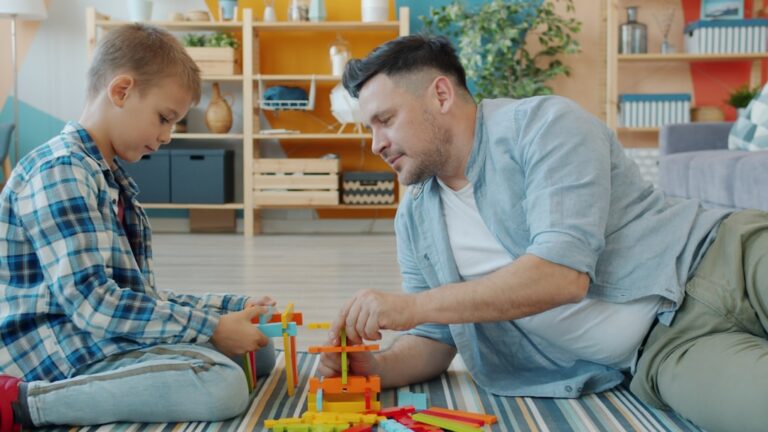
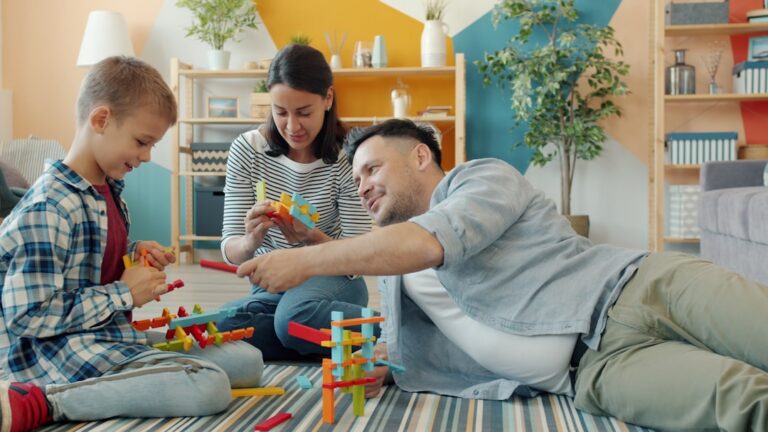
- Building Blocks: My children can spend hours constructing anything from castles to rocket ships. There is something satisfying about watching them create from the ground up.
Encouraging Independent Choices
Encouraging my children to make their own choices during quiet playtime has been key to its success. I present them with options but let them decide how to spend their time. This autonomy makes them more invested in the activities. For instance, if I suggest they build something, they might surprise me with an entirely different idea. This not only fosters creativity but also teaches them decision-making skills.
Overcoming Challenges
While quiet playtime brings many joys, it’s not always seamless. There are days when my children resist the idea of slowing down. Sometimes, they come running to me, seeking engagement rather than embracing their quiet time. In these moments, I gently remind them of the fun they can have on their own. I often sit nearby, reading or working on my own tasks, which allows them to feel my presence while they engage in their activities.
One strategy that has worked is setting a timer. I explain that quiet playtime will last for, let’s say, 20 minutes. Knowing there is a defined period helps them focus. Once the timer goes off, they can choose to continue or switch to another activity. This approach has taught my children to value dedicated time for play.
Embracing the Quiet
In the midst of our family’s hectic schedule, quiet playtime has become a cherished part of our day. It allows my children to learn and grow in ways that chaotic play often does not. As a parent, I appreciate the moments of stillness where I can observe their creativity unfold. These instances remind me that even in a busy household, we can find joy in simplicity.
Conclusion
Quiet playtime is a vital element of our family life. It nurtures my children’s creativity, fosters independence, and provides moments of calm in an otherwise busy day. By creating the right environment, establishing routines, and encouraging independent choices, I have seen my kids thrive during these tranquil moments. As a busy parent, I find reassurance in knowing that quiet playtime not only benefits my children but also allows our family to reconnect in the midst of our daily activities.