This article may contain affiliate links. If you buy through them, Our Busy Family Days may earn a small commission at no extra cost to you. Learn more.
As a parent, I find myself reflecting on my own childhood more often than I expected. It is not just nostalgia that drives this reflection, but a desire to connect with my kids through the games I once loved. Classic games have a way of bringing families together. They don’t require batteries or screens, just imagination and a little bit of space. This past summer, I decided to revisit some of these timeless games. It turned out to be a wonderful experience for my family and me.
Simple Joys of Hide and Seek
Hide and Seek is a game that needs no introduction. It is simple yet endlessly entertaining. I remember playing this game in my childhood backyard, darting behind trees and giggling as I heard my friends searching for me. Inspired by these memories, I introduced the game to my kids. My son, who is seven, took it upon himself to be the seeker first. He counted loudly, his voice echoing down the hallway.
We played inside the house, using our living room, kitchen, and even the hallway. To make it more interesting, I encouraged my younger daughter, who is four, to change her hiding spots. She found a great hiding place behind the curtains, thinking she was invisible. I loved watching their frenzy of excitement as they searched for each other. Even though we live in a modest home, it felt big in those moments, filled with laughter and joy.
Why It Works
Hide and Seek allows for creativity and physical activity. It gets the kids moving and thinking strategically. My children enjoyed the freedom to explore while I enjoyed watching them develop their skills. Plus, it requires little to no setup, making it an easy go-to during a rainy afternoon.
The Timeless Appeal of Simon Says
Another game that quickly came to mind was Simon Says. This game combines listening skills and movement, making it both fun and educational. I set up a mini game in our living room. My son took the role of Simon first. He issued commands like “Simon says touch your toes” and “Simon says hop on one foot.” My daughter relished the commands, giggling when she got to do silly things like spinning in circles and pretending to be a robot.
At one point, my son tried to trick his sister by saying “clap your hands” without starting with “Simon says.” He was so proud of himself when she followed the command. This led to a brief lesson in listening and paying attention. It was a simple moment, but it highlighted the importance of clear communication and rules in games.
Understanding the Benefits
Simon Says works well for various age groups. It develops concentration and motor skills, all while keeping everyone entertained. I liked how it encouraged my kids to pay close attention while also being active. We can play this inside or outside, and it is easy to adapt as they grow older.
Balloon Volleyball – A New Favorite
Balloon Volleyball is a newer addition to our family game rotation, but it has quickly become a favorite. I remember my parents setting up a makeshift net in our living room, using a string tied between two chairs. One afternoon, I pulled out a few balloons and decided to create a small net with some yarn. We played this in our basement, which has an open space perfect for movement.
My kids bounced the balloons back and forth, laughter filling the space. The objective was simple, keep the balloon in the air while trying to hit it over the “net.” It was delightful watching my daughter’s eyes light up as she hit the balloon for the first time. It was her moment of triumph, and I could feel my heart swell with pride.
Why Balloon Volleyball Works
This game promotes coordination and teamwork. My children had to communicate about who would hit the balloon when, which sparked moments of cooperation and friendly competition. The best part is that it is easy to set up and can be played in any room, just make sure to clear away any breakables.
Arts and Crafts – A Game of Imagination
While not a classic game in the traditional sense, arts and crafts have always been a staple of childhood. I used to spend hours drawing, coloring, and creating all sorts of crafts. Recently, I decided to set up a crafting station in our kitchen on a rainy Saturday. With simple supplies like paper, markers, and glue, the kids and I embarked on creating personalized greeting cards for family members.
My daughter flourished in this environment. She drew pictures and dictated messages for each card. My son focused on making a card for his grandparents, carefully choosing colors and designs. I loved that we could create something beautiful together. It wasn’t about winning or losing; it was purely about creation and expression.
Benefits of Crafting Together
Engaging in arts and crafts cultivates creativity. It gave my children an avenue to express themselves and develop fine motor skills. I was pleasantly surprised to see them share materials willingly and collaborate on projects. It reinforced the idea that games do not always involve competition; sometimes, they can foster collaboration and artistic expression.
Building Blocks – Endless Possibilities
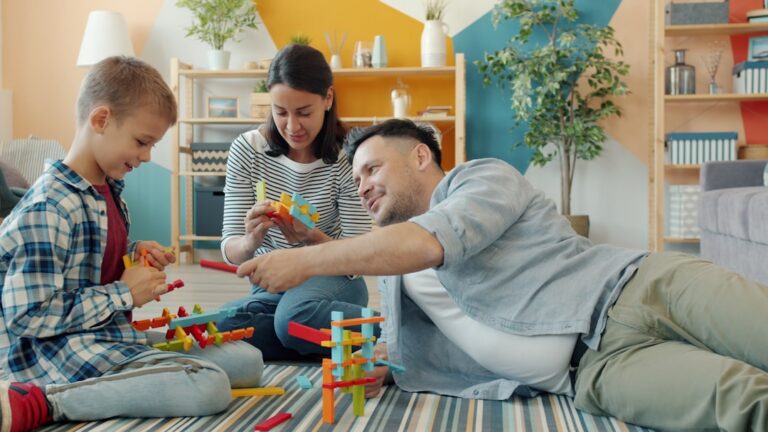
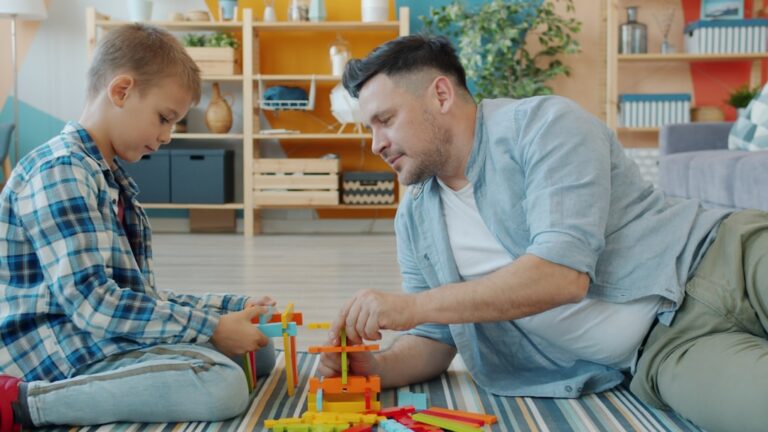
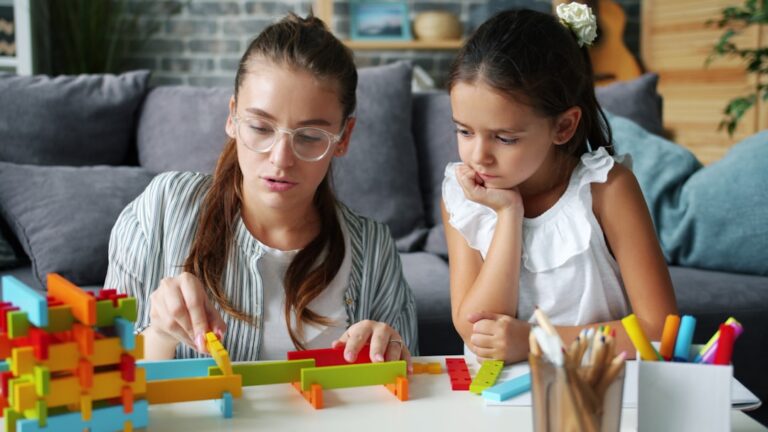
Building blocks hold a special place in my heart. I spent countless hours constructing towers, houses, and entire cities. I pulled out a set of wooden blocks I had saved from my childhood for my kids to enjoy. Setting them up on the living room floor, I watched as they began to build their creations. My son took charge, directing his sister on where to place the blocks while I chimed in with encouragement.
The structures they built were impressive. They made elaborate towers that tested their engineering skills. As they played, I noticed how much they engaged in imaginative play, creating stories around their structures. It was an important reminder that sometimes, the simplest toys can spark the greatest adventures.
Why Building Blocks Work
Building blocks encourage problem-solving and spatial awareness. My kids explored concepts of balance and gravity without even realizing it. I appreciated that these blocks could be used in various ways as they grow. They can construct, destruct, and reconstruct endlessly, fueling their creativity and developing important skills.
A Timeless Connection
Revisiting these classic games has been a rewarding experience. Each game brought my kids and me closer, reminding us of the joy of simple play. I found that these activities don’t require much preparation, and they allow for open-ended fun. Instead of relying heavily on screens, I discovered how fulfilling it can be to engage in activities that spark imagination and connection.
As I reflect on these moments, I realize they remind us of the importance of play in childhood. It is not just about entertainment, it is about learning, growing, and bonding as a family. The laughter and joy that filled our home during these gaming sessions were reminders that some things truly never go out of style.
As we move into the cooler months ahead, I plan to keep these games alive. I want to continue fostering connection and creativity with my children, all while enjoying the timeless joy of childhood pastimes. The lessons we learn from play are invaluable, and I look forward to many more afternoons filled with classic games in our home.