This article may contain affiliate links. If you buy through them, Our Busy Family Days may earn a small commission at no extra cost to you. Learn more.
In many households, sibling rivalry is almost a rite of passage. My kids, ages six and eight, often demonstrate this dynamic. One moment, they are laughing together, and the next, they are arguing over who gets the biggest piece of pizza. However, I have found that there are effective ways to encourage cooperation instead of competition. Here are some methods that have worked for me.
Establish Shared Goals
One of the simplest ways to promote cooperation is to set shared goals. When my children work toward something together, they learn to communicate and support each other. For example, we recently set a family goal to read a certain number of books over the summer. Instead of focusing on individual achievements, we track our progress as a family. I noticed that my kids cheer each other on, even when one of them is lagging behind.
Implement Team Projects
Another approach is to engage them in team projects. Crafting is a natural choice in our home. I often set up activities where they must collaborate. Recently, we decided to create a large family mural on a poster board. I provided some colored markers and encouraged them to discuss what to include. They worked side by side, negotiating colors and designs. The final product was a testament to their ability to cooperate.
Incorporate Weekly Family Meetings
Family meetings are another excellent tool for promoting cooperation. We hold ours every Sunday afternoon, often over snacks. During these meetings, we discuss the week ahead, set collective goals, and address any concerns. My children take turns leading the meeting. This not only empowers them but also teaches them to listen and respect each other’s opinions. They find value in brainstorming solutions to any family issues together.
Create a Cooperative Environment
The environment also plays a significant role in encouraging sibling cooperation. I have made a conscious effort to create spaces in our home where my kids can work together. Our playroom has a large table covered with art supplies, board games, and building blocks. This setup invites collaboration. I often hear them work out plans and ideas as they play. They feel comfortable approaching each other for help or suggestions.
Encourage Role Reversal
Another effective method I’ve found is encouraging role reversal. Sometimes I ask my kids to teach each other something they know well. For instance, my older child is enthusiastic about his soccer skills, while the younger one loves drawing. I occasionally have them swap roles, where the older sibling teaches the younger one soccer techniques. This not only builds their confidence but also cultivates empathy as they learn to appreciate each other’s strengths.
Use Natural Consequences
Sometimes, letting natural consequences unfold can teach valuable lessons about cooperation. I avoid stepping in too quickly when they have minor disputes. For example, if they argue over a toy, I might allow them to negotiate on their own. Often, they realize that working together leads to more enjoyable play rather than a standoff. They learn that cooperation can lead to a better experience for everyone involved.
Foster Problem-Solving Skills
I also focus on fostering problem-solving skills. Instead of solving their disagreements myself, I guide them in finding solutions. When they come to me with a conflict, I often ask questions that lead them to their own conclusions. I might ask questions like, “What do you think would happen if you both tried to play together?” This method teaches them to negotiate and compromise and builds their ability to cooperate in the future.
Practice Daily Gratitude
Integrating gratitude into our daily routines has also proved beneficial. I encourage my children to express appreciation for each other’s contributions. At dinner, we often share one thing we admired about each other that day. This simple practice strengthens their relationship and promotes a team mentality. My kids are now more likely to recognize and celebrate each other’s accomplishments.
Make Use of Games
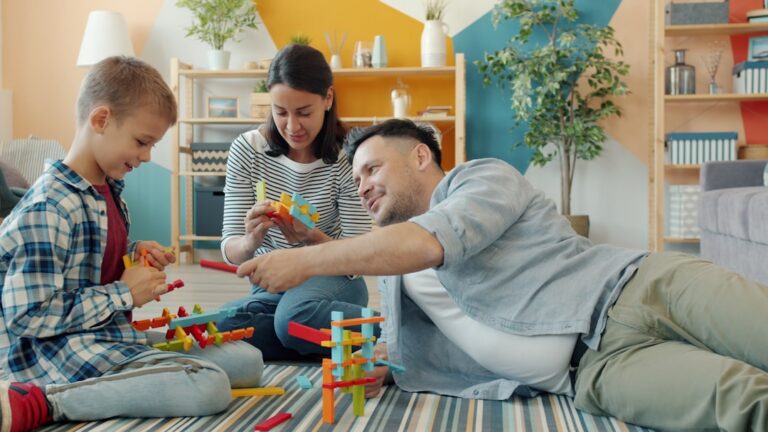
Games are another fun way to foster cooperation. Cooperative board games, where players need to work together to achieve a common goal, have become a staple in our family game nights. We often play games that require teamwork, like working together to build a structure or escape a scenario. The kids learn to strategize and communicate effectively as they collaborate toward a shared objective.
Model Cooperative Behavior
Lastly, I believe that modeling cooperative behavior in my interactions sets an example for my children. I try to speak positively about teamwork and collaboration with my partner and in our daily routines. Whether it’s coordinating chores or planning outings, I aim to demonstrate the benefits of cooperation. Children learn by watching, and showing them how I work with others reinforces the importance of these skills.
Address Individual Needs
It is crucial to recognize that each child has unique needs, and approaching cooperation must be tailored accordingly. My older child often seeks independence, while the younger one thrives on connection. I have learned to encourage cooperation while respecting their individual styles. For example, I sometimes pair them in tasks that play to their strengths, allowing each child to shine while still working together.
In our busy family life, I have seen firsthand that cooperation among siblings is not just about getting along. It is about building relationships, developing skills, and creating a harmonious environment.
In Conclusion
Encouraging sibling cooperation involves intentionality and patience. By establishing shared goals, creating a cooperative environment, and modeling positive behavior, I have seen remarkable growth in my children’s ability to work together. While sibling rivalry will always exist to some extent, I find comfort in knowing that I can foster cooperation in my home. The journey is ongoing, but each small step makes a significant difference.