This article may contain affiliate links. If you buy through them, Our Busy Family Days may earn a small commission at no extra cost to you. Learn more.
Every parent knows that keeping kids engaged can feel like a constant juggling act. I have two children, aged six and eight, and I often find myself navigating the narrow path between providing creative outlets and managing the everyday chaos of family life. There are days when it seems impossible to cultivate their creativity without sacrificing my own sanity. I want to share my journey with you, both the successes and the missteps, in hopes that it might resonate with your own experiences.
Understanding Their Interests
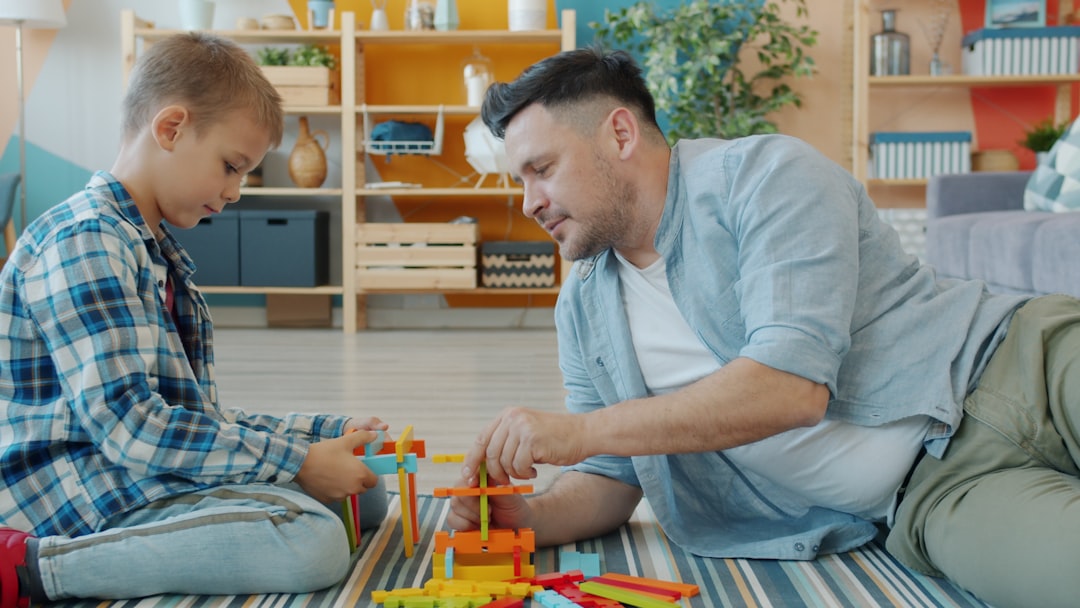
One of the first lessons I learned was the importance of understanding my children’s interests. My daughter loves anything related to art, while my son enjoys building and constructing. For a while, I tried to get them both into the same activities, like drawing or crafting, but found that this often ended in frustration. I realized that their interests were not interchangeable, and I needed to cater to each child individually.
To create a balance, I allocate specific times for each child’s preferred activities. For example, on Wednesdays, my daughter has an art session using various supplies, from watercolors to clay. On alternate days, my son dives into building with blocks or simple engineering kits. I have learned that nurturing their interests means allowing each child to express themselves without the pressure to conform to the other’s preferences.
The Challenge of Ideas
Coming up with creative ideas can sometimes feel overwhelming. I often found myself resorting to the same few activities, a round of coloring or a puzzle. While those are perfectly fine, they didn’t challenge my kids creatively. I started keeping a list of simple, fun activities that I could reference when creativity ran low. Here are a few ideas that have worked well for us:
- Nature scavenger hunts in our backyard.
- Storytelling sessions where each child adds a sentence to create a collective tale.
- DIY puppet shows using sock puppets.
- Building forts with blankets and cushions.
These activities are not only simple but also easy to set up. The key is to rotate them so that my children remain engaged and excited. I also encourage them to take the lead occasionally, which has led to some surprisingly creative outcomes.
Setting Up a Creative Space
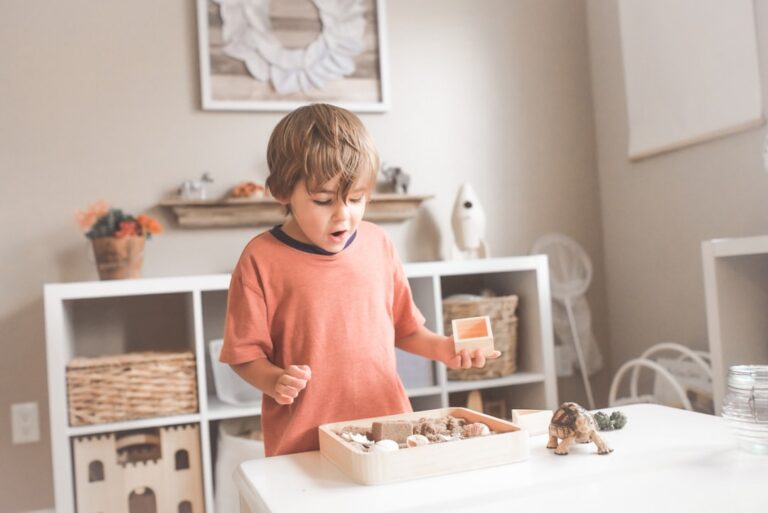
Another significant factor in keeping my kids occupied creatively is having a designated creative space. In our home, we have a corner in the living room filled with art supplies, building toys, and craft materials. This area is not overly curated, which encourages my children to explore freely. There are no “do not touch” rules here, other than being respectful of the materials and each other.
Initially, I struggled with keeping this space organized. After a few trial-and-error attempts, I settled on clear bins labeled by type, paints, markers, small building pieces, so they can easily find what they need. This setup encourages independence. When my kids want to create, they know just where to go. It also keeps the mess contained to one area, which minimizes the stress of cleanup for me.
The Pressure to Create
As I worked to make creativity a part of our daily routine, I realized that there is a fine line between encouraging creativity and pressuring my kids to create. Sometimes, I would see them sitting with a blank page and think they needed direction. I would jump in with ideas, only to see their enthusiasm dwindle. It took some time, but I learned to step back and allow them to decide what they wanted to create, or whether they wanted to create at all. I’ve learned that unstructured time can lead to the most genuine bursts of creativity.
“Creativity is allowing yourself to make mistakes. Art is knowing which ones to keep.” – Scott Adams
This quote resonates with me as I watch my kids navigate their creativity. Sometimes their best creations come from what I might initially see as mistakes. I’ve changed my perspective and focus more on the process rather than the outcome. Allowing them to experiment without the fear of failure has made a noticeable difference in their willingness to try new things.
Incorporating Technology Wisely
In today’s tech-heavy world, I find myself questioning how much screen time is appropriate for creative activities. My kids enjoy certain apps that allow them to create digital art or engage in interactive games that promote problem-solving. However, I am careful to strike a balance. I set time limits and make it a point to follow up with offline activities that encourage hands-on creativity. For instance, if they spend time drawing digitally, I encourage them to translate those creations onto paper afterward.
I also avoid letting technology replace the basic tools for creativity. It’s tempting to lean heavily on apps and online resources, but I’m mindful of the value in tactile experiences. I want them to feel the texture of paint and the weight of clay in their hands. Balancing the digital with the tangible keeps their creative outlets diverse.
Managing Expectations
One of my greatest struggles has been managing my expectations. I’ve seen social media full of perfect craft sessions and beautifully organized creative spaces, and it’s easy to feel inadequate. I remind myself that most of these moments are curated, capturing only the highlights. Our creative sessions can be chaotic, filled with laughter and the occasional argument. Mess is part of the process.
Some weeks are more successful than others. There are days when the kids are engaged for hours and others where they barely touch a crayon. I’ve realized that this ebbs and flows. Embracing the unpredictability has been liberating. I focus on the moments that spark joy for them, whether it’s a masterpiece they’ve created or simply the time they spent laughing together.
The Role of Routine
A consistent routine can greatly influence how creatively my kids play. I’ve found that embedding creative time into our daily schedule helps set expectations. We have a “creative hour” every Friday after school. Knowing that this time is reserved for them to indulge in whatever project they choose keeps them excited throughout the week.
During this time, I might join them or step back to let them work independently. Either way, establishing a routine helps them anticipate and look forward to their creative time. The key is making it enjoyable rather than another task on the to-do list.
Finding Support from Others
Lastly, I’ve recognized the importance of seeking inspiration from other parents and resources. I’ve connected with local parenting groups who share ideas and experiences. They’ve recommended books, workshops, and community events that offer creative outlets and can inspire our family activities. It helps to remember that I’m not alone in this struggle. Other parents are navigating the same challenges, and sharing ideas has enriched our family life.
Incorporating creative activities into our family routine has been a journey filled with both challenges and rewards. While I often struggle to keep my kids occupied in ways that foster genuine creativity, I’ve learned valuable lessons about understanding their interests, setting up spaces that inspire them, and managing my expectations. The mess, the noise, and the unpredictability are all part of the experience. In the end, it’s about cultivating a home where creativity can flourish, no matter how imperfectly.