This article may contain affiliate links. If you buy through them, Our Busy Family Days may earn a small commission at no extra cost to you. Learn more.
Parenting trends come and go. Each season seems to bring a new philosophy or product that promises to make family life smoother. I have tried some of these trends and found that not all of them work for our family. Here are a few that I experimented with and why they fell flat for us.
Minimalist Parenting
Minimalist parenting encourages families to declutter their lives and focus on experiences rather than things. While I appreciate the intention, I found that this approach didn’t resonate with my kids. They thrive on having a variety of toys and activities available to them. When we tried to limit their toys, the result was not more creativity but increased frustration.
We had a moment when we removed most of the toys from the playroom, thinking it would inspire imagination. Instead, my kids ended up staring at the empty shelves. They missed their familiar items. After a week of minimalism, we reverted back to a more balanced approach. We kept only the toys that offered open-ended play possibilities while still allowing for some of their favorites. It was a worthwhile lesson in knowing what works for our family.
Screen Time Restrictions
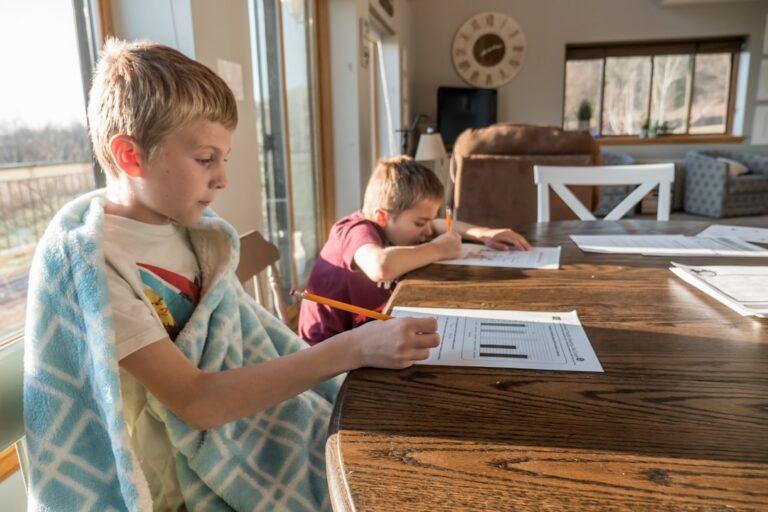
Another trend is strict screen time limits. It’s advocated for a variety of reasons, from promoting face-to-face interactions to ensuring that kids engage in physical activity. However, I’ve found that a flexible approach serves us better. My children, ages 8 and 5, use screens for educational purposes as well. They enjoy interactive learning games and even creative apps that allow them to make art or music.
We set boundaries around screen time, but we also allow moments for our kids to unwind with their devices. Sometimes, the kids will help each other with homework online or watch a family-friendly movie together. Rather than viewing screens purely as distractions, we incorporate them as part of our family activities. The key is balance, especially in a world where technology plays a significant role in daily life.
High-Energy Activities
Active parenting is in vogue. Many parents seem to be focused on ensuring their kids are involved in high-energy activities. I initially thought it would be a great idea to sign my kids up for multiple sports and classes. After a season of soccer, dance, and swimming, however, I realized it was just too much.
Our weekends became a blur of rushing from one activity to the next. My kids were exhausted, and so was I. We had a family discussion, and everyone agreed that we preferred a slower pace. Now, we’ve limited ourselves to one extracurricular activity at a time. This has allowed us all to enjoy family outings without the stress of fitting everything into our schedule.
The Overrated “Family Meeting”
Family meetings are touted as a way to ensure everyone’s voice is heard. I tried them in hopes that our family could communicate better. However, my kids often viewed these meetings as a chore. I found that instead of leading to meaningful discussions, the meetings typically devolved into giggles and distractions.
Instead, I started integrating family discussions into our daily routines. Whether we talk while making dinner or during a car ride, these conversations feel more natural. My kids are more engaged when the discussions happen organically. The structure of a sit-down meeting simply doesn’t fit our family dynamic.
Strict Bedtime Routines
Many parenting experts suggest strict bedtime routines for kids. While I see the value in establishing a routine, my experience has shown that too rigid a structure can create more stress. On nights when we try to stick to an exact schedule, my kids tend to resist. They feel pressured to go to sleep rather than winding down at their own pace.
Instead, we focus on a looser bedtime routine. We aim for consistency but allow ourselves to be flexible. Some nights, reading a few extra stories is just what the kids need. On others, they might want to simply talk about their day. This lets them feel involved in the process and helps them relax before sleep.
Food Fads and Organic Obsessions
Food trends often suggest that we must prepare all meals with organic ingredients or adhere to specific diets. While I understand the benefits of healthy eating, I find these trends can create unnecessary pressure. My kids are not always thrilled about my attempts at superfoods or gourmet ingredients. When I tried to incorporate quinoa into our meals, it was met with resistance.
We aim for a healthy diet but do not force perfection. I involve my children in meal planning and grocery shopping. They have a say in what goes into their lunches, which helps them feel invested in their food choices. Keeping meals simple and enjoyable has worked far better than following strict food trends.
The Pressure to Document Everything
In the age of social media, there is an expectation to document every family moment. From milestones to everyday activities, it can feel like a necessity to share. I tried to keep up with this trend by taking photos and posting updates. However, I soon found myself more focused on capturing the moment than enjoying it.
Now, I prioritize living in the moment, rather than documenting it. Our family doesn’t feel the need to share every experience online. Instead, we create our own keepsakes, like handwritten notes or drawings. These tangible memories hold more meaning for us than a perfectly curated Instagram feed.
Conclusion
Every family is unique. What works for one may not work for another. I have learned that adapting popular trends to fit our family’s needs leads to a more harmonious home. Taking the time to assess what truly resonates with us has been more valuable than following the latest parenting craze. Ultimately, being attuned to my children’s needs and our family dynamics has made all the difference.