This article may contain affiliate links. If you buy through them, Our Busy Family Days may earn a small commission at no extra cost to you. Learn more.
After another busy day with the kids, I often find myself staring blankly into the fridge. It is always a challenge to whip up something that everyone will eat. I have tried different systems over the years, but building a freezer meal stash has been the most effective for my family. It not only saves time during hectic weeknights but also helps reduce food waste.
Understanding Freezer Meals
Freezer meals are prepared in advance and stored in the freezer for later use. They can be anything from fully cooked meals to prepped ingredients waiting to be cooked. The idea is simple. You prepare meals ahead of time, so you don’t have to start from scratch when the clock is ticking and everyone is hungry.
However, not all freezer meals are created equal. Some meals freeze and reheat better than others. It is essential to choose recipes that will maintain their taste and texture after thawing. For instance, I found that soups and stews generally hold up well, while some pasta dishes can turn mushy. Learning what works for your family is key.
Why It Works
Having a freezer meal stash allows me to bypass the daily decision fatigue that comes with meal planning. When I’ve had a long day at work or the kids have activities, knowing that a healthy meal is ready to go is a relief. My kids, ages 8 and 5, can also help with meal prep on weekends, making it a family activity instead of a chore.
Moreover, preparing meals in bulk can save money. I often buy ingredients in larger quantities, which lowers the per-meal cost. It’s satisfying to look in the freezer and see several meals ready to go, especially after a grocery run where I managed to avoid impulse buys.
How to Build Your Freezer Meal Stash
Building a freezer meal stash requires a bit of planning, but it is manageable. Here is a straightforward approach that has worked for us.
1. Start Small
If you are new to freezer meals, I recommend starting with just a few dishes. Pick 2-3 recipes that your family enjoys. When I started, I chose a chili recipe and a couple of pasta dishes. They are easy to prepare and freeze well. This approach minimizes overwhelm and allows you to adjust your system as needed.
2. Choose Recipes Wisely
Not every recipe will be freezer-friendly. I keep a list of my go-to meals that I know freeze well. Some of these include:
- Chili
- Soups
- Casseroles
- Stir-fries
- Marinated proteins
When I find a new recipe, I consider how it will hold up in the freezer. For instance, I once tried to freeze a creamy pasta dish, but the sauce separated after reheating. It was a disappointing lesson learned.
3. Set Aside Time for Meal Prep
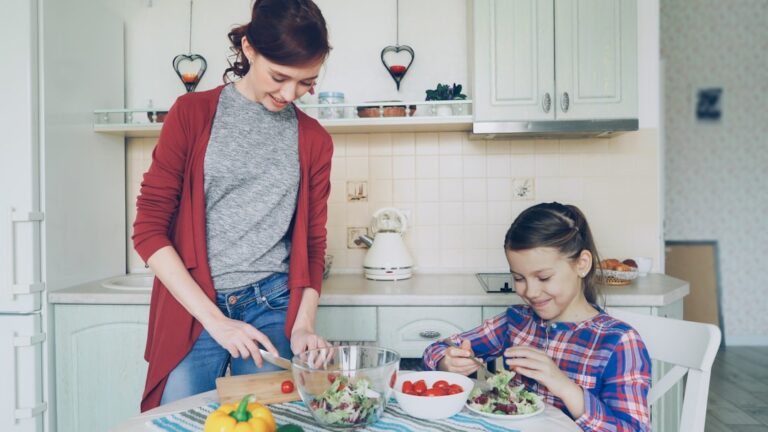
Schedule a block of time for meal prep. I typically spend a couple of hours one weekend afternoon preparing meals. This is often a good time for my kids to get involved. They can help wash vegetables or measure out ingredients. This not only teaches them valuable skills but also creates a sense of ownership over what we eat.
During one of our recent prep sessions, my daughter insisted on trying a new smoothie recipe. We ended up making a batch of smoothie packs to freeze. Now, we can grab one in the morning and have breakfast ready in no time.
4. Use Quality Containers
Invest in good-quality freezer-safe containers. I prefer glass containers or sturdy freezer bags. They keep food fresh and prevent freezer burn. Make sure to label each container with the name of the dish and the date it was prepared. This helps us keep track of what we have and when to use it.
I learned the hard way about the importance of labeling. I once defrosted a mystery casserole only to discover it was an experimental recipe that did not go over well with my family.
Creating a Rotating Menu
To keep things interesting, I rotate my meals. After a few weeks, I’ll swap out some items for new recipes or different variations. Making small tweaks keeps the meals feeling fresh. For instance, I might make a basic chili one week and a white chicken chili the next. This approach also helps us avoid burnout from eating the same things repeatedly.
Thawing and Cooking
On the day I plan to serve a freezer meal, I usually take it out the night before to thaw in the refrigerator. If I forget, I can often thaw it in the microwave if needed. I prefer to reheat meals in the oven when possible. This method tends to maintain texture better, especially for casseroles.
Sometimes, I’ll add a quick side salad or steamed vegetables to bulk up the meal. I keep a selection of frozen vegetables on hand for nights when I need an easy side. They cook quickly and can elevate a simple meal.
Challenges to Expect
While there are many benefits to building a freezer meal stash, challenges can arise. One common issue is forgetting what is in your freezer. I often find myself digging through containers trying to remember what’s what. Incorporating a simple inventory system can help. I’ve started keeping a whiteboard in the kitchen to track what we have on hand.
Another challenge is ensuring variety. It can be easy to fall back on the same recipes that I know will work. To combat this, I keep a list of new recipes I want to try and make an effort to incorporate one new dish into the rotation every month.
Conclusion
Building a freezer meal stash that actually saves time is a practical solution for busy family life. It requires a little planning and preparation, but the payoff is worth it. With a well-stocked freezer, I can reduce meal-related stress, save money, and even get the kids involved in the kitchen. At the end of the day, knowing a warm meal is just a few minutes away brings peace to our hectic lives.