This article may contain affiliate links. If you buy through them, Our Busy Family Days may earn a small commission at no extra cost to you. Learn more.
As a parent, the evening meal often feels like a high-stakes event. The family gathers around the table, and I want to impress with a perfectly cooked dish. Yet, over the years, I’ve learned that striving for dinner perfection can overshadow what really matters: connection and nourishment.
The Pressure to Impress
When my kids were younger, I felt immense pressure to create elaborate dinners. I spent hours scrolling through recipe sites, making grocery lists, and planning themed meals. It was exhausting. Dinner became a source of stress rather than enjoyment. I remember one night specifically, I attempted a new recipe that called for ingredients I couldn’t even find. My daughter, barely five at the time, asked if we could just have spaghetti instead. It was a lightbulb moment for me.
Recognizing What Matters
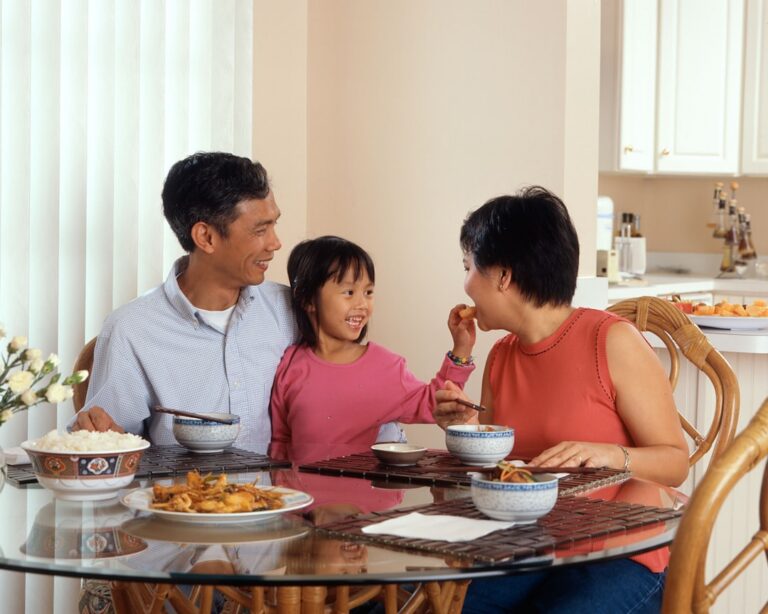
I began to reflect on what we actually needed at dinner. Was it a gourmet meal or simply a chance to unwind together as a family? With the kids now aged eight and ten, they have their preferences and favorite meals. I realized that they value the time together more than the complexity of the food. Our conversations, laughter, and even minor chaos around the table were what shaped our family dynamic, not the perfectly arranged plate.
Keeping It Simple
Now, I focus on simple meals that don’t require extensive prep or clean-up. I like to think of it as minimalist cooking. Stir-fries, sheet pan dinners, and one-pot pastas have become staples in our house. These meals allow me to put together a satisfying dinner quickly, often in under 30 minutes. My kids are involved in the process, which makes them more interested in the result.
- Stir-fry: I throw in whatever vegetables we have on hand, add protein, and season it with soy sauce or teriyaki. It’s easy and adaptable.
- Sheet pan dinners: Toss chicken or fish with a variety of veggies and roast them together. Minimal cleanup is a bonus.
- One-pot pasta: I can cook the pasta in the same pot as the sauce, reducing dishes and time.
Embracing Imperfection
There are days when meals do not go as planned. The rice might be undercooked, or I accidentally burned the chicken. In those moments, I remind myself that it’s okay. I’ve learned to embrace imperfection. Last week, I served a pasta dish that was supposed to be creamy but ended up a little dry. Instead of frustration, I laughed and called it “pasta a la Kaylee.” My kids loved it. They appreciated the humor and felt more comfortable experimenting with their own cooking later on.
Meal Planning Without the Stress
Meal planning has also transformed in our household. I used to create complex plans that fell apart mid-week. Now, I aim for flexibility. I create a simple framework for the week, with a few rotating meal ideas. This structure allows me to shop efficiently without feeling trapped in a rigid schedule.
- Monday: Meatless Mondays with veggie tacos or a grain bowl.
- Tuesday: Quick stir-fry with whatever veggies are leftover.
- Wednesday: “Whatever night” where the kids can pick anything from the fridge.
- Thursday: Pasta night with a rotating sauce.
- Friday: Homemade pizza, where everyone can customize their toppings.
This approach brings a sense of ease and spontaneity back to the dinner table. The kids enjoy choosing from options, which fosters their independence and creativity.
Involving Kids in the Process
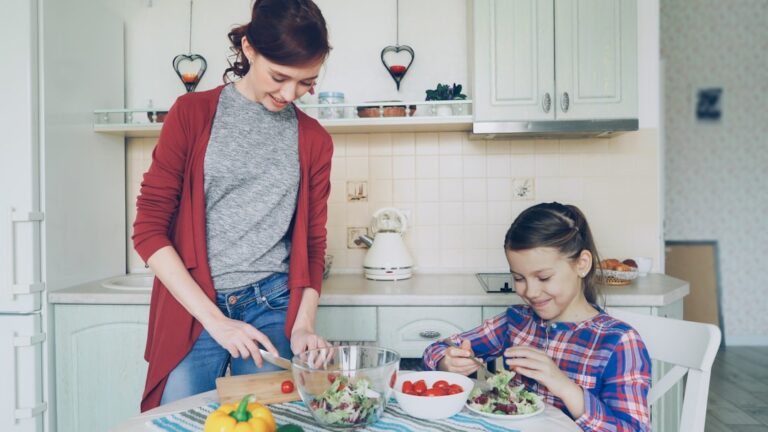
My children have taken an active role in cooking. They help with meal prep, which not only teaches them valuable skills but also makes them more invested in the meals we create together. My son, for instance, loves to make a salad. He picks the toppings and decides on dressings. It’s become a fun ritual where he feels a sense of ownership over the meal.
Additionally, the experience of cooking has become an opportunity for us to bond. I find that chopping vegetables or stirring a pot gives us time to talk and share about our day. This connection is more essential than a flawless dinner ever could be.
Accepting leftovers
Leftovers are another area where I’ve learned to let go. In the past, I felt the need for every meal to be different. However, keeping leftover meals has saved time and energy. I aim to cook larger portions intentionally, so we can repurpose them. Leftover stir-fry can become a filling for burritos or can be added to fried rice. My kids don’t mind eating the same thing again as long as I get a little creative with it.
Setting Realistic Expectations
I’ve also set realistic expectations for myself as a cook. Not every meal needs to be a culinary masterpiece. It’s okay if dinner is simple or even a bit thrown together sometimes. What matters is that we enjoy it together. I’ve found that when I release the burden of perfection, it leaves room for appreciation. Eating together becomes a joyful experience rather than a chore.
Finding Comfort in Routine
Over time, I’ve settled into a routine that feels right for our family. Dinners are less about the food and more about the gathering. There’s comfort in knowing that we’ll sit down together, share stories, and catch up on the day. The food is a vehicle for connection, rather than the star of the show.
As I reflect on our journey, I recognize that letting go of dinner perfection has been liberating. The chaos of parenting will always be present, so I have chosen to embrace the imperfect moments. Dinner doesn’t have to be a production. It can be simple, quick, and still nourishing for body and soul.
Closing Thoughts
Learning to let go of dinner perfection has made me a more relaxed parent. Dinner is now a time for togetherness, laughter, and love. Instead of stressing about what is on the table, I focus on who is around it. This shift has transformed our mealtimes, and I hope it inspires other families to embrace the beauty of imperfection.